

Unconventional Quality of Life Improvements: The Boring Stuff That Actually Works
144: Unconventional. Conventional. Different... All Worth Trying.

This is an addition to our original post on quality of life improvements from November, which you should read before going any further.
Advice to help you get more out of your life
The reasonable man adapts himself to the world. The unreasonable one persists in trying to adapt the world to himself. Therefore all progress depends on the unreasonable man. - George Bernard Shaw
Before going any further, congratulations to our winners and everyone else who participated in our latest giveaway. Thank you. Also, big thanks to everyone who purchased the lifetime subscription. There have been over 30 of you…

Another mention before we go forward is that our *start here* (FAQ) has been updated, and we advise everyone to review it and remind themselves what it is about.
We live in times when most of the advice given to you is not… Good. That means that to make real leaps and achieve things others can’t, you have to do what others won’t. Something we have been talking about more than we would like to admit. What is this post about? A collection of common and uncommon advice that works. Not only does it work, but chances are the mainstream media, your friend or your favorite podcast host won’t tell you.
Not because they want to hide something from you. But simply because they themselves do not know better. This here? Some advice you never heard about, some you heard about but ignored, and everything else.
How to get the most out of it: Before going any further. Understand that not everyone has the same starting point. What might seem obvious to you, something you have done for ages… It might not be obvious to someone else who is lost or completely without a compass for where to go.
The advice around has never been worse. Meaning that posts like this should serve as reminders of what actually matters. Suppose you are one of those who already understand all the principles on this list and have had success with some of the advice. That makes it even better because you will be able to share your 2 cents on what has worked for you and how you have improved things. To get the most out of this post, make sure you approach each of these points (advice) from a separate perspective.
Your goal?
Pick and implement what you find useful and discard the rest.
WARNING - Your POV And How You Approach Life
The truth will set you free, but first it will make you miserable. - James A. Garfield
The cost of learning the truth
To get the most out of your life and improve it, you have to learn the truth. How the world actually works. How money is really made. How people behave (social dynamics). How to get what you want. You will have to do things that might not seem right. And finally… The advice you have been given your entire life was built on old beliefs, outdated information, and comfort. Not reality.
The positive side is that you will operate with a competitive advantage over those still running on old tales that no longer work. You do the opposite of what the masses do and achieve results they never will. Putting energy into things you know will work and compound in your favor.
The problem?
Nothing will ever be the same. There is a good chance you will build resentment against the system, teachers, professors, or anyone else who tries to push you toward something you find inefficient. You will find yourself in a position where you recognize that you will have to keep doing what others won't. What no one else will mention is that this is a period. Slow one. Painful one. Problematic one. In a place where you feel alone. Yet you have managed to get a clear picture of something others around you have not. Only once that feeling is gone and you internalize what it takes. Only then will you be able to use this to your advantage.
What it takes to learn the truth:
Accept that everything you currently know is wrong (based on outdated beliefs)
Start looking for patterns in what others are doing (the right and wrong ones)
Use those insights to do what others can’t do and get results they won’t

The cost of getting everything you wanted
The unsexy part about reaching your goals that no one tells you about? Every single goal, once you achieve it, sort of robs you of the feeling you were chasing. That feeling of high energy and aliveness, once your goal has been reached. Disappears. Much more so if you have planned your goals poorly or have overshot them within a timeframe you were not expecting… Everyone who has gone through this phase knows what we are talking about.
What happens over time as you experience more and get older? All those feelings of energy and aliveness become something you take for granted. Your experiences and goals no longer produce the feelings you always loved. Which amplified the experience for you.
On the material side because you have everything you ever wanted. You start buying things to buy them. Completely removing any logical component from it. You chase that feeling of aliveness. You reach a point where everything you have dreamt about is just something you already have. It all becomes your new normal in a short timeframe that you find hard to accept. All those highs you had at the start? Gone. Just for you to end up spending years trying to recreate those feelings. This is where generic advice (enjoying your journey rather than the final destination) comes into play. Even more so when you consider that during those years of your journey, all the most impactful changes in your life have happened. New goals, milestones, outlook on life, and self-reinvention.
Why are we mentioning this?
Because in order to live a fulfilling life and avoid starting things you should not (buying excess material things, drugs, keeping up with the Joneses, or any other lifestyle trap), you need to find something that will keep you on your journey. Sparking that childlike curiosity and ensuring you have enough energy to follow through. Because sooner or later, there will be a point in your life where you will have everything you ever wanted. Yet you will feel completely lost. Unable to even notice that you have everything you ever wanted.
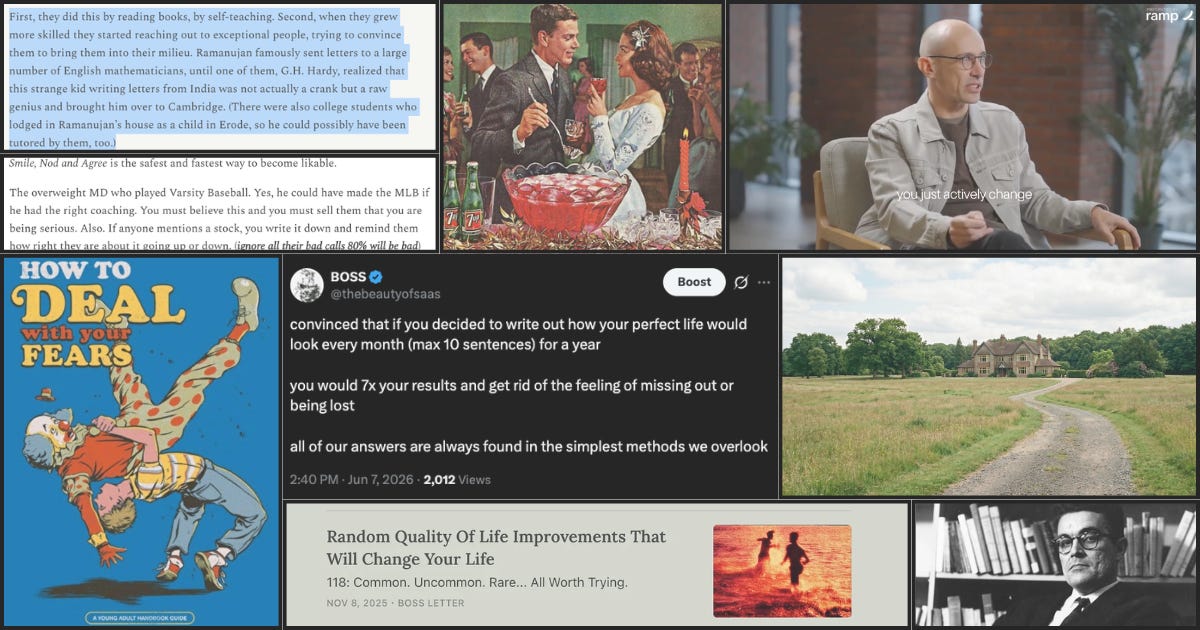
One to make you think…
There is a version of your life happening right now that you will miss later. It might be your friends. It might be your family. It might be your current business model. It might be the place where you are living right now… What you should do is become aware of it. Not in a melancholic way. But in a way that makes you aware that there is a good chance you already have what you have been dreaming about.
It just might be that you have been taking it for granted for so long that you forgot what it even looks like in the first place. Practicing gratitude and staying on top of what you want in your life is where a perspective like this starts to make sense. And on purpose. We are leaving it here to make you think…
What if you already have everything you ever wanted?
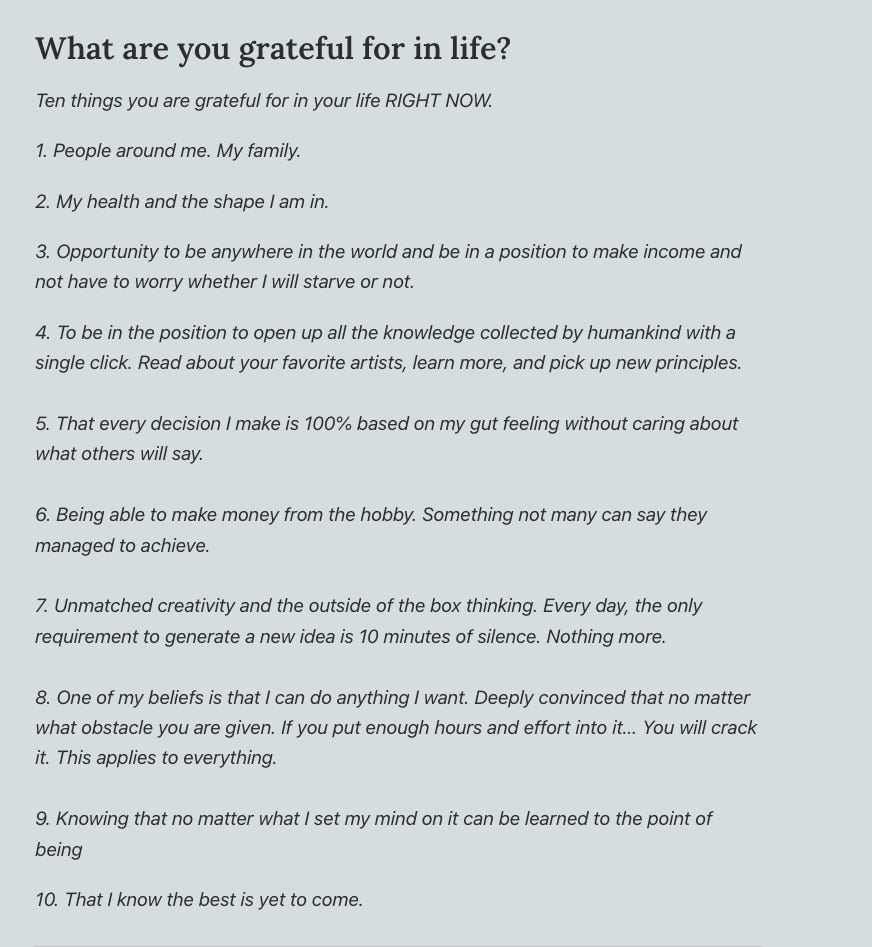
Not sure where to start? Try the Mindset rewiring workbook.
Unconventional Advice That Actually Works
Make it normal to contact exceptional people
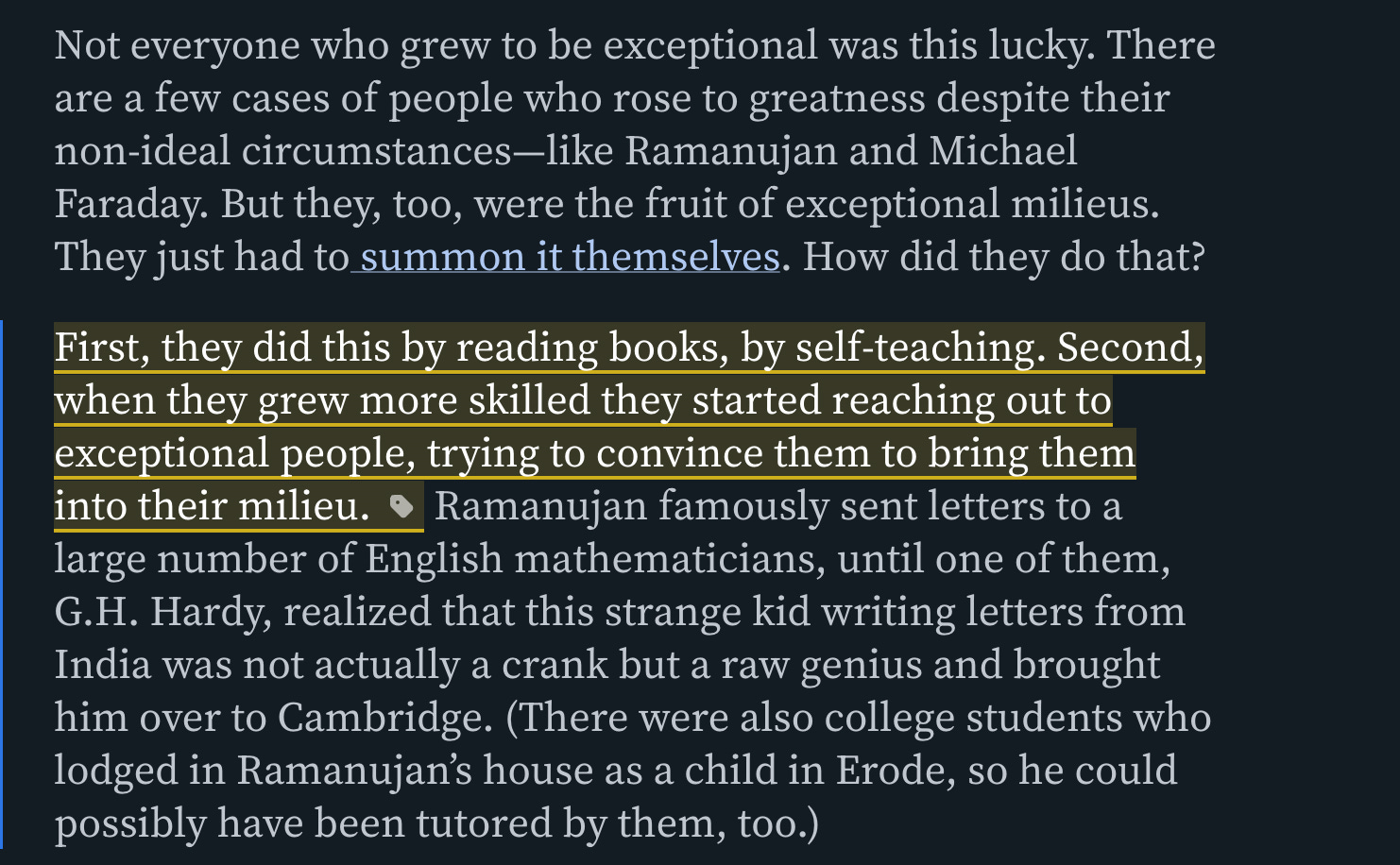
We already covered this in our first quality of life post. But we decided this is the only point we will reference in each post because of its importance. At the same time, most young people lack social skills. What you want to do is make it a habit to contact the people you admire or find inspiring. The message could be a simple thank-you. Or it could be something along the lines of saying they have changed your life. Or a question.
The only requirement is that you do not turn it into an essay. When you turn things into an essay, it is hard for the other side to stick to the core message you have and give you the right answer to what you should do. Keep it simple. Under five seconds, and you will be surprised how often you will get an answer to your question or just some feedback from the other person. Do not underestimate the importance of this.
If you are someone who is struggling to see things as they are, or you think you are so far from the people you admire. This becomes something YOU have to start doing. It brings you back to reality and shows you that all those people you admire are no better than you. Neither are they mythical creatures. They are humans. They just have more experience (and possibly talent), which at the same time means that if you put enough effort and hours into something, you can achieve the same.
You might become as good as them… If not even better.
A common misconception is that it is largely a waste of time. It is not. It might be if you are doing it wrong. Or writing an essay (you have been warned). The shift happens the moment the first opportunity becomes apparent. And you get an invitation to an event or a happening you never thought you would attend. That is when it becomes obvious why you should contact exceptional people, and you will not be able to understand why others around you are not doing so considering the benefits.
Learn how to buy items for the maximum return
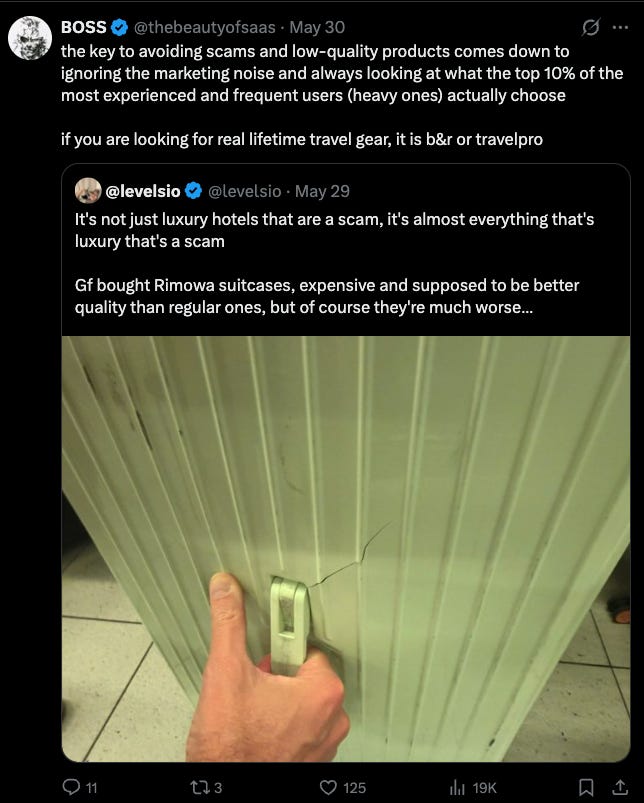
The tweet we wrote about recently tells you everything you need to know. Yet there is something most never even think about. What you always want to do is look at what the top 10% of the heaviest users are actually choosing (buying in this case).
Luckily, it has never been easier to use tools and have someone else research for you in seconds. What do we mean by the heaviest users? Let’s say you are getting into tennis and looking for a racket. After 2-3 tennis practice sessions, you realize that most people in your club use Wilson. Now you are getting curious… Why does everyone you see who is a frequent player (or at least they look like one) play daily with Wilson? After some research, you realize Wilson is the most dominant in the US market, and there is a good reason for it. You decide to go even further. Researching a specific Wilson model just to come up with Pro Staff 978 or a Burn 100.
This should give you an idea.
Traveling around the world, and all the pilots using Travelpro or Briggs and Riley? There is a good reason for it. The same logic applies to everything else. Want something that will last you for years and not disappoint? Do what the heaviest users (the top 10%) do. This is the purchasing signal you want to follow. One that will not disappoint you.
Over time, you realize how much of your precious time (+ energy, effort, and all other resources) goes into the small things you should not be making. Traveling around the world frequently. But every 6 months, you have to look for a new bag? That is how your cognitive power goes to waste, and you are wasting time on things you should not be. Put aside our point about traveling. And apply the same logic to everything else… The opportunity cost becomes crystal clear.

We desire what others desire because we imitate their desires. - René Girard
Thinking like this doesn’t get enough attention because emotions and social proof drive most purchase decisions. Better said, mimicking others without thinking things through or knowing what they want in the first place. One of the things you should ask yourself before each purchase is whether you would buy it if no one else ever saw it.
This will tell you everything you need to know and give you something you can use to test others about their purchases. 90% of the purchases people make come from places they should not. Impulse, to fit with the social norm, or because others have it (mimicking desires)… This is not how you want to spend your money. Avoid.
How to spend money for a high return.
Most of the advice given before 2000 is… Irrelevant

The reason most of the advice from before the 2000s is largely irrelevant is that the world is different from what it was then. Things were much slower and getting to the right information was far more complex. You had to believe (self-internalize) some things before you could independently confirm them. Today?
Everything is quite the opposite. Things are progressing at a rapid pace, and you can get information about anything in less than 30 seconds. Not to mention that today you can start a company from your bedroom with just an internet connection. If you told someone that in the 1980s… They would think you went crazy. Conclusion? Once again. It comes down to realizing that most of the advice from before the 2000s is irrelevant. Old. Outdated. Not applicable. Useless.
To put things into perspective:
1980s - Personal Computers
1990s - Mobile phones
2000s - The Internet became massively available
2010s - E-commerce, touch screen, and social media
2020s - Cloud computing, AI…
Every decade rewrote the rules. Not just the rules but also the opportunities that came with them. We can all conclude without much thought that most of the advice your parents have given you is outdated. In the same way that you should be a good employee, you will be rewarded or stay loyal to your employer. It doesn’t work anymore. Neither does a degree guarantee a job. They are the advice that used to work in the old world.
Where average effort produces an above-average life. Those days are gone…
The only advice that remains applicable from the old world and will never change concerns humans. Everything related to humans and how we operate will not go out of style. Quite the opposite. How to talk, communicate, and make others like you. Everything related to behavior and getting others on your side. This is something you want to pay attention to, as communication skills are quickly becoming the #1 skill you can possess.
Everything in YOUR life compounds (positive and negative)
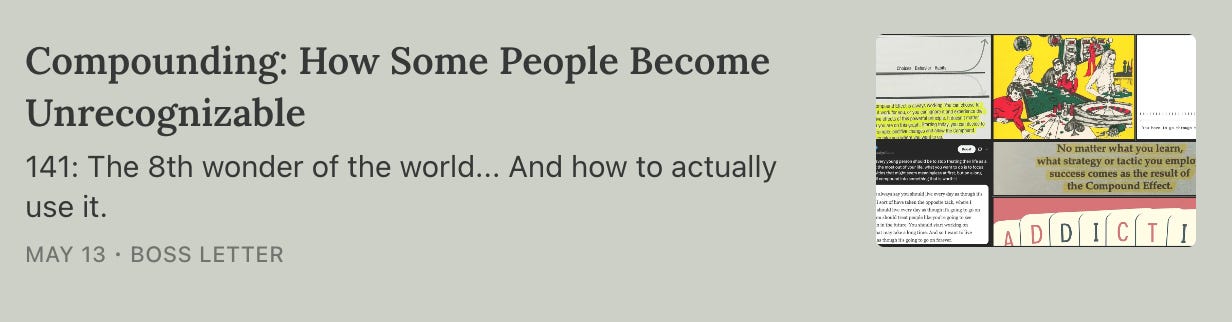
When you start looking at things from a compounding perspective, it all starts to click. Why does doing things more slowly but with higher quality matter? Why focusing on the long game matters, etc.… Not just why it matters, but how it impacts everything around you. Both the positive and the negative sides of your life and everything else that comes with it. What you have to understand is that the power of compounding is everywhere. From the simplest thing you are doing daily, all the way to your capital investments and more complex stuff. The reason it falls under conventional advice is that everyone else treats their life as one big casino.
Chasing fast results, looking for instant feedback, and betting on the economy that makes you lazy. Compounding is the opposite of that. Boring. Slow. Yet… One that on a long timescale beats everything else.
The reason this falls under unconventional advice is that you will never hear anyone say it to you. Never taking into account that every interruption costs. Doing something for months. Skipping things once, to never return? How many times has it happened? This is where this advice becomes important and points you toward the realization that the game is not won by the one who works the hardest. It is won by whoever stays in it the longest.
Smile, nod, and agree
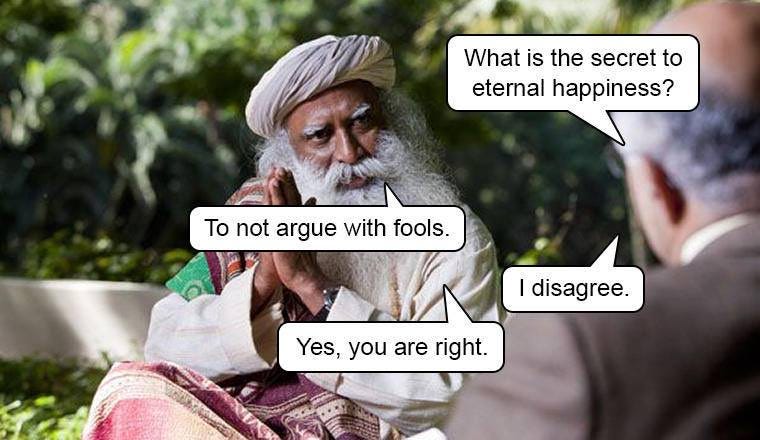
If you have been reading WSP (years ago). You already heard this one… Forget about correcting people. Forget about debating people. Forget about changing opinions. If someone already has a strong, predefined view, your only goal is to agree with it. Better said to ignore it. Over time, you realize that this is a skill. Similar to sales. Benefit-wise? It might not be as obvious. But if you are operating in a professional environment, or somewhere where opinions about you (reputation) largely matter, what you want to do is avoid creating enemies, getting into conflicts or hurting other egos.
When we say creating enemies, we mean hurting big egos. We mention this because it goes against every instinct you have. When you have all the facts, but the other side can't seem to agree with them or seems blind to them. That is when you need to step back. The situation is a bit different when you are dealing with high stakes, such as family. But everything else (even your friend groups) should be approached from this POV.
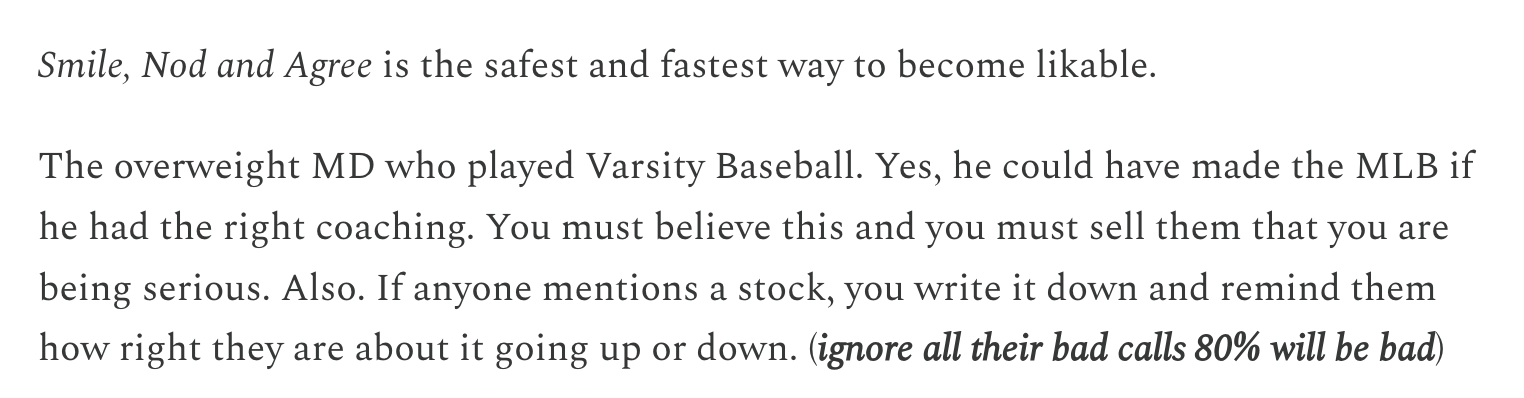
The key is to remember that the other side never actually asked for your opinion. They were just stating their view. Avoid: politics, religion, and gossip. As WSP used to say, nobody has ever ended a conversation thinking “wow you changed my mind"
Remind yourself:
Avoid wasting your energy (getting stressed) on things you can’t change and never will.
Politics, religion, and gossip = danger zone
You can’t win against someone who already has a predefined vision and worldview.
If you are working in a professional environment, realize that you will get nothing out of this except to hurt a few egos. This is where your reputation is at risk.
The only time it is worth giving your real opinion is when someone has not yet formed a view. You will quickly realize this after a bit of conversation with them about the topic.
Feed the egos to get the information you want
Not the ethical advice.
Since we have already mentioned in this post that the communications and social skills, as well as smile, nod and agree… It would only be fair to give you the ultimate lesson in how to make people go from defensive to open up to you. You target their insecurity (it should be hard to detect after one point) and let them believe the opposite. You know someone who sucks at social interactions? Tell them how people are being drawn to them today. Overweight person? Tell them they look thinner.
You want to stroke someone's ego in an area they don't usually expect. If you do it properly, it will open doors you thought were never possible. The idea is not that you want to become the next Machiavellian or a straight-up liar to make others like you… But when you need to bend reality around something, or you need information (or access) that a certain person possesses. This method works.
You can tell everything about someone from the questions they ask you
The reason we are emphasizing this and placing it under life advice is that it serves as a strong signal of whether someone is worth your time. Our opinion on this has still not changed. Anything that can be found on Google (or with AI) in less than 30 seconds is not worth asking about. It just shows the effort (signal) the other side is ready to put in to get what they need. It is the exact reason why we are putting this here. If you are just entering the professional world, make sure you understand how to ask a question and when to ask a question. Asking a good (or bad) question leaves an impression on the other side. Whether you want to accept it or not. This is also one of those old-world pieces of advice from a time when people didn't have access to the internet, and asking questions made a lot of sense (the only way to get relevant info).
Keep in mind:
What should you never do? Ask the same question twice. This is where the art of writing things down becomes clear. If you are asking the same question again, it is a sign that you are not serious enough.
Which questions should you NOT ask:
Everything you can find on Google in under 30 seconds.
Asking to ask questions
If you are building rapport, it has to be done properly. Otherwise, you might end up looking transactional and leave a negative impression.
Avoid yes/no questions when you need depth or are looking for a deeper answer.
How to define a good question:
It is specific to a situation.
When they come from active listening.
Good questions are contextual.
They are relevant to what is happening right in front of you.
Make the other side think and reflect.

Resistance signals what matters the most
It is one of those unwritten rules in life that whatever is causing you resistance and making you put it off for reasons only you know… It often means it is the same thing you should be doing to move forward. After enough signs, you will realize there is a pattern. One that will point out to you a way in which all the things you have been putting off and not following through on were the same as what you should have been doing. The reason we are not doing them? They are the easiest ones to justify.
It often all comes down to:
Unfamiliar
Uncomfortable
When you think about it, it all makes sense. We don't resist things that don’t matter. You only resist the things you know carry weight and directly affect you. That is exactly why you are postponing moving forward with them… This goes much deeper. Sooner or later, there should be a realization that most people spend their entire lives optimizing around those resistances. Doing exactly the opposite of what they should be doing. The worst part is that the longer you postpone things and battle the fear around it… The harder it gets to finish them.
Using resistance to your advantage:
Recognize what you are resisting (feeling, emotion, action, process…)
You are looking for a pattern and understanding that the longer you avoid it, the further it compounds against you.
Why are you avoiding it?
You are looking for an answer to what you should be doing… But you are not. If you are approaching this honestly, it should not be a hard question.
Learn to use the signal (resistance) to guide your focus.
That is the whole point and your end goal.
Your ability to reinvent determines a big % of your success
Jobs, Dorsey, Hastings, Schultz, Bezos, Thiel, Musk, Disney… If you have read anything about them, you know what we are talking about. Your ability to reinvent and adapt to what works in the moment plays a big role in your success. There is a misconception that if things are working, they will continue to work. Wrong. Anyone with skin in the game knows this is not how things work. Sooner or later, you find yourself with a decision to either keep pushing or quit whatever you are currently doing. Most people quit. The others? The ones who succeed in the end reinvent themselves. Progress itself is a form of reinvention. This means that if you are pushing toward something, reinvention happens naturally. Your ability to adapt that new identity (and everything that comes with it) and make it part of your identity is what either pushes you forward or holds you back.
Reinvention happens in two ways:
Internal: you are actively working on your beliefs and principles
You are in control (it requires effort and happens fast)
External: your environment and the consequences of your actions change you.
Happens as part of the process, whether you like it or not (and happens slowly).
Why is this going under the unconventional advice?
The answer could not be simpler. If you are planning on being in something (field, niche, industry) for years to come. An expert in the field or a professional. Someone who will make ridiculous amounts of money. You will have to be prepared to reinvent yourself. Both internally and externally. Before you think to yourself that it is easy and everyone can do it. Wrong. It requires a lot of effort and ego detachment to be done successfully. Doing something for decades, being successful at it just to be back at the starting point… It is not as easy as it sounds. Quite the opposite.
Split your friend groups by category

We never hear anyone talk about or even mention this one. One social hack that no one tells you about is to have separate friendship groups based on category. What do we mean by that? It is fairly simple. If you are into sports. You make sure you have a group of friends into sports. Want to go out every weekend? You make sure you have a group of friends who are into that. Putting yourself in a position where you have multiple groups of friends (and acquaintances), where each one of them carries a certain role. The reason you want to do this is that isolated groups help ensure you do not have wrong expectations about them. Knowing whether you can count on them to join up with you or not. This sounds simple, and to a point. But if you have ever dealt with just mixed-up groups… You know how inefficient and frustrating it can be when you are trying to organize something. Solution? Keep your friend group separate and split based on their interests. Having a clear distinction between true friends and those you have something in common with. This allows you to set the right expectation for each group.
Write everything down (yes… everything)
I was terrified of public speaking until I sat down for a week and every day I spent 10 minutes just writing that I like public speaking. And now I love public speaking. - Tobi Lutke
Some time ago on Twitter, we joked that everything you put down on a piece of paper sooner or later turns into reality. Lutke pretty much backs that up. The power of writing things down comes from seeing whether your problems and life habits are changing. It serves as a mechanism to keep you in check. It is simple, and there is no preparation around it. You open your notebook and write down your thoughts or anything else that is on your mind. As things progress, you start to notice its power. You will come up with your own rules for getting the most out of it. Journal system as they call it. For us it is no more than that. Just open it up and write whatever's on your mind. Others prefer a structured approach. Subjective and something you will have to find out for yourself.
Getting the most out of writing things down (building out your system):
Throughout the day - just capture your thoughts, what you have to do and what is a priority.
First thing in the morning - a mix of your thoughts and your TODO list sets the tone for the rest of the day.
Full on journaling - take 20 - 30 minutes and go over the calendar for this week (or next). Pull out anything worth keeping and review all your goals.
5 sentence rule - every single day, once you are done with everything, write five sentences describing what you did to improve your life.
Ideal day framework (and life framework)
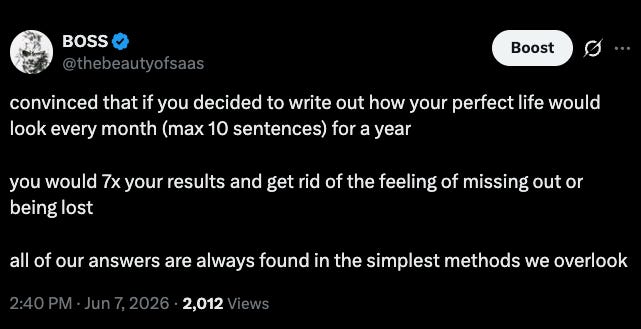
When was the last time someone told you to take 20–30 minutes and write down your ideal day or life situation on paper? We bet you have never heard it before. Not because it is hard or complex, but because no one knows its true power. The real power comes from putting things into perspective. Similar to the graduate exercises mentioned above. The only way to get what you want out of your life is to know what you want in the first place. If you have been pushing 24/7 for the last couple of years, chances are you are lost or clueless about what you actually want.
Whether you want to accept it or not.
You have everything you ever dreamed of and a perfect life setup. Yet you wake up every day feeling frustrated, trying to figure out what is missing and to fulfill that desire with something else in the process. It happens to all of us. It is normal. One way to get out of that scenario is to put things on paper and compare where you are now with what it takes to reach your ideal scenario. The same approach can be used for your life situation. The same approach can be used for your perfect day scenario. As you write these things down, you will notice that there is a good chance you already have 50%+ of what you consider ideal in your current environment. This serves as a great reminder to stay grounded, focused, and on the mission, without letting yourself go on unnecessary side quests or fill yourself with desires that are not even yours.
Building your ideal life scenario:
Take 20 - 30 minutes without any distractions
Pen and paper (remember what Lutke said?)
To make things easier for yourself, start with your ideal day scenario. Have a clear overview of what you would like to do when you wake up, where you would go, and what kinds of activities you would do.
The key is to write what you ACTUALLY want. No holding back.
The more lines and activities you have. The better.
Once you are done with the ideal day scenario. You want to analyze what you already have in your current life. There is a good chance the results will surprise you.
Next is identifying gaps and the big movers to get even closer to your scenario.
The answers will likely be time, money, and energy.
Want to take it further? Now it is time to audit your desires and ask yourself:
Is this what YOU want, or someone else's idea you took as yours?
After you have a complete list of your ideal life. Removed desires that are not yours. Identify the biggest gaps. Then write one action you will take to close those gaps.
Revisit this often. You will be surprised.
Free things are the best in life
Walking in nature. Swimming in the ocean. Spending time with people you care about. Deep sleep. Silence. Random talks with your family. Workouts. Calling your friends. Taking care of your pets. The problem is that you never realize it until you are busy chasing money. Once that money is in your bank account, if you are one of the lucky ones… You might realize you had it all along.
TLDR (Original post + Unconventional advice)
Things you already know about:
Walk as much as possible
Learn to enjoy the silence and work in it. Your life will change (+ get earplugs they will help you a lot)
Remove all the negative associations with your life
Pen and paper over everything else… As always
Notifications off on all devices. At all times
How to prioritize:
Health
Time
Money
Something to make you think:
Time habits
Money habits
Don’t take things for granted. You used to dream about them.
Something more to make you think:
The cost of learning the truth
The cost of getting everything you wanted
Stuff that matters:
Never tell anyone how much you make
Get proper sleep (or at least try to do so)
Live in a way no one else does (do the opposite)
Read every day
Learn to communicate
Go off the radar for 48 hours
Use AI the right way
You are one DM away from changing your life
Find a stress protocol that works for you
Learn how to communicate your emotions (#1 way not to get depressed)
Always minimize (less is more)
Phone calls > podcasts, audiobooks, and music
Change your workspace often (Creativity hack)
Spontaneity
Protect your curiosity (Not enough talk about this)
Get the most out of your supplementation
Stop comparing yourself (consuming lifestyle material)
Once you understand how to make money…
You most likely never will retire (largely it is a cope)
Unconventional stuff that matters, yet no one talks about:
Make it normal to contact exceptional people
Learn how to buy items for the maximum return
Most of the advice given before 2000 is… Irrelevant
Everything in YOUR life compounds (positive and negative)
Smile, nod, and agree
Feed the egos to get the information you want
You can tell everything about someone from the questions they ask you
Resistance signals what matters the most
Your ability to reinvent determines a big % of your success
Split your friend groups by category
Write everything down (yes… everything)
Ideal day framework (and life framework)
Free things are the best in life
Enjoy your weekend.
Disclaimer: None of this is to be legal or financial advice of any kind.